


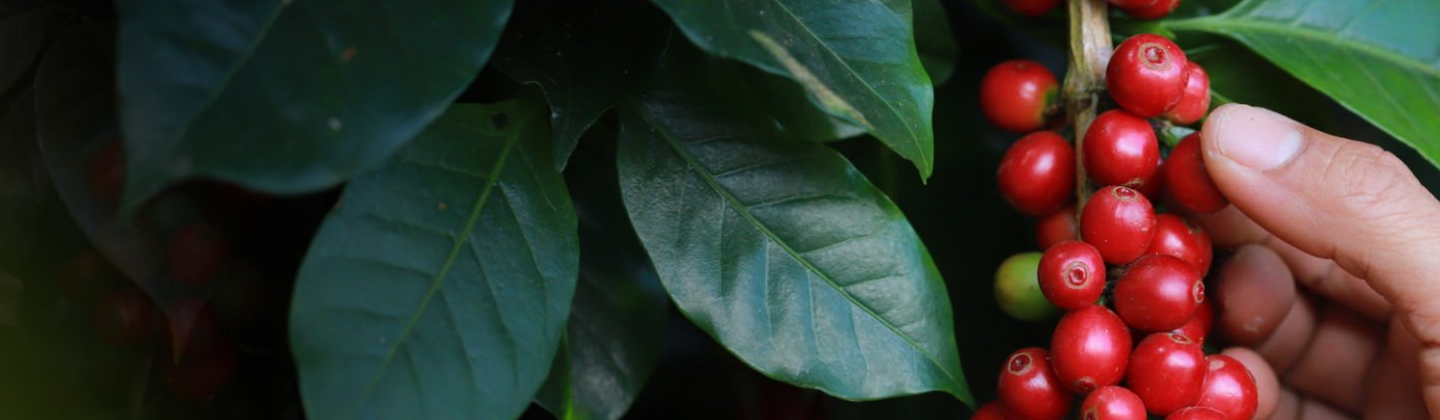
Peaberry coffee has a way of stopping even experienced coffee drinkers mid-sip. If you have ever wondered why this bean inspires so much excitement—or why it shows up in “limited release” collections so often—you are in the right place.
Peaberry coffee is not a separate coffee species, not a marketing invention, and not something farmers can force a tree to make. It is nature’s rare twist inside the coffee cherry, and it creates one of the most distinctive cups you can taste.

At Kaʻū Coffee Mill, we treat peaberries like a small celebration from the ‘āina (land). They represent both rarity and craftsmanship, and they are one of the reasons Kaʻū coffee continues to earn a loyal following worldwide.
Below are 12 strange-but-true facts that explain why peaberry coffee is so highly prized.
1. A peaberry is a one-bean “only child”
Normally, each coffee cherry grows two seeds pressed together, making the flat-sided beans we are used to. A peaberry happens when only one seed develops inside the cherry; without a “twin” to flatten it, the bean becomes small and round. This single-seed formation is well documented in specialty coffee botany and peaberry explainer guides.
2. It is rare by pure chance, not by design
Peaberry coffee is a natural mutation that occurs inside the cherry, not a separate cultivar or a bean type you can plant intentionally. Coffee researchers and specialty coffee educators consistently describe peaberry as a random developmental oddity.
3. Most farms see only about 5–10 percent peaberries
Across origins, peaberries typically make up a small slice of the harvest—most often around 5–10 percent, depending on conditions. This range is widely cited in specialty coffee references.
4. The round shape changes how it roasts
Because peaberries are round, small, and dense, they move and absorb heat differently from flat beans. Many roasters use separate roast profiles because peaberries can crack differently and require more even heat management.
5. Denser beans often mean more concentrated flavor
Peaberries usually form as denser, more compact seeds. Some of the “extra punch” people taste in peaberry coffee is linked to that physical density and nutrient concentration.

6. Peaberry coffee grows all over the world
Peaberries show up in many origins—Africa, Latin America, Asia, and Hawaiʻi—because the mutation is part of coffee biology, not geography. Various specialty coffee sources confirm peaberry is a global phenomenon.
7. In Hawaiʻi, peaberry is a connoisseur favorite
Hawaiʻi’s volcanic soils and stable island climate help peaberries develop exceptional sweetness and clarity. Hawaiʻi-grown peaberries are frequently noted for smooth body and bright fruit character in origin profiles and regional coffee education.
8. Kaʻū Peaberry is especially limited
Kaʻū is already a small, high-quality growing district; when only a small percentage of cherries form peaberries, the resulting Kaʻū Peaberry lots become notably scarce.
9. The flavor often leans vivid and silky
Peaberry coffee is often described as brighter, sweeter, and more aromatic than flat-bean lots from the same harvest. Specialty coffee writers emphasize that differences aren’t guaranteed, but when peaberries are sorted carefully and roasted intentionally, they can show a more vivid cup.
10. Sorting peaberries takes extra work
Peaberries must be separated out during milling or sorting, which adds labor and time. That additional handling is one reason peaberry coffee is typically priced above standard lots.
11. It is rare, but not “better by default”
Even specialty authorities remind us that peaberry coffee isn’t automatically superior. The mutation changes shape and density, but flavor quality still depends on variety, terroir, processing, and roast. Good roasters treat peaberries as a potential advantage, not a guarantee.
12. Your brewing method can highlight its magic
Because peaberries often show strong aromatics and sweetness, brew methods like pour-over or AeroPress tend to emphasize clarity, while French press can build body. Coffee brewing educators commonly recommend adjusting grind and ratio to match the bean’s density and roast style.
A Kaʻū note on why peaberries matter

In Kaʻū, coffee is never just agriculture—it is relationship. The land gives, farmers listen, and each harvest teaches us something new. When the rare peaberry appears, it is a reminder of that living dialogue between tree and ‘āina.
If you want to taste peaberry coffee from its source, we invite you to experience Kaʻū Coffee Mill in various ways:
- Start at the Kaʻū Coffee Mill website to learn more about our farm and story.
- Explore and shop Kaʻū coffees online, including limited peaberry releases.
- Reserve an in-person visit through our tour booking page.
-
Continue reading more educational coffee stories on the Kaʻū Coffee Mill blog, including our deep dives on Peaberry coffee explained, historic attempts to ban coffee, the anatomy of a coffee bean, and the countries that drink the most coffee.
Peaberry coffee is rare, yes—but more importantly, it is a small proof of how much wonder still lives inside an everyday cup.