


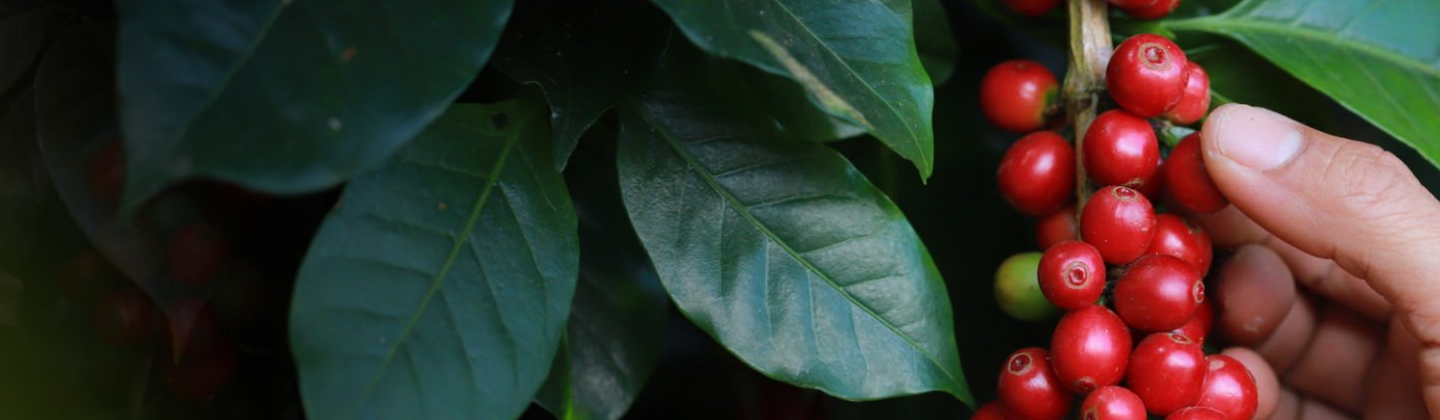
When people go searching for the best Hawaiʻi-grown coffee, they’re usually hoping for a simple answer: “Which one should I try?” But Hawaiʻi coffee isn’t a one-note story. It’s an archipelago of microclimates, volcanic soils, and farming traditions that produce cups as different as the islands themselves. The fun part is that once you start tasting by region, you realize the best Hawaiʻi-grown coffee depends on what flavors you love most.
So let’s make this a tasting adventure. Below is a flavor-first ranking of Hawai‘i’s major coffee regions, paired with quick trivia to help you taste with your brain and your heart. Along the way, you’ll also see why single origin Hawaiʻi-grown coffee is so prized: each region is a living expression of place, not a generic “Hawaiian blend.”
How this ranking works (quick and friendly)
This list ranks regions by signature flavor character as recognized by coffee professionals and Hawaiʻi competitions—not by fame alone. We’re leaning on terroir (soil, elevation, rainfall, temperature), processing culture, and how consistently a region produces standout cups. Hawai‘i’s volcanic soils are a major reason these coffees taste so distinct; volcanic terroir is widely documented for helping create dense beans and layered sweetness.
1. Ka‘ū, Hawaiʻi Island

Flavor style: caramel sweetness, citrus brightness, silky body, clean finish
If you asked a panel of specialty judges to blind-taste Hawaiʻi coffees today, Kaʻū is the region most likely to surprise you at the top—and it’s one of the strongest contenders for the best Hawaiʻi-grown coffee right now. Over the past two decades, award-winning Kaʻū coffee has repeatedly placed in statewide cupping competitions and specialty showcases, helping establish Kaʻū as one of the most exciting origins in the United States.
Trivia you’ll love:
-
Ka‘ū’s modern coffee rise is relatively recent. While coffee has grown here for generations, Kaʻū began sweeping major awards in the late 2000s, and today the district is recognized through dedicated competitions and auctions.
- Kaʻū sits on the southern slopes of Mauna Loa, where mineral-rich volcanic ash soils and cool nights build natural sweetness in the cherry.
If your idea of the best Hawaiʻi-grown coffee is a cup that tastes naturally sweet without needing sugar, Kaʻū is your region. You can taste that character in our Kaʻū Coffee Mill coffees, or experience it in person by booking a Kaʻū Coffee Mill tour. For a deeper farm-and-flavor walkthrough, this Big Island coffee tours guide is a great add-on read.
2. Kona, Hawaiʻi Island
Flavor style: smooth, mellow, balanced acidity, soft nuttiness
Kona remains Hawai‘i’s most famous coffee belt—and for good reason. The classic Kona cup is elegant and easy to love: smooth body, gentle brightness, and a restrained sweetness that feels polished. Kona’s terroir—sunny mornings, cloud cover afternoons, volcanic soil, and a narrow elevation band—creates consistency year after year.
Trivia you’ll love:
-
Kona’s growing area is famously narrow: about 30 miles long and roughly 2 miles wide on the western slopes of Hualālai and Mauna Loa.
-
Kona is also home to some of Hawai‘i’s most experimental naturals and fermented coffees, which regularly top statewide competitions.
A lot of visitors ask about Kaʻū coffee vs Kona coffee. The honest answer is that Kona offers a classic, gentle profile, while Kaʻū often leans sweeter and more fruit-forward. If you want a playful head-to-head tasting lens, this best Hawaiʻi-grown coffee Kaʻū guide breaks down the differences clearly.
3. Maui (Kā‘anapali and Upcountry)
Flavor style: chocolate depth, warm spice, medium to full body
Maui coffees often land in that cozy middle ground: richer than Kona, softer than Puna, and frequently layered with cocoa-like notes. The island’s varied elevations and tradewind patterns create a wide flavor spread, but high-quality Maui coffees are increasingly finding recognition in specialty circles.

Trivia you’ll love:
-
Maui’s best coffees often come from cooler Upcountry conditions that slow cherry ripening, giving beans more time to build sweetness.
-
Several Maui farms are known for meticulous small-lot processing, firmly placing them in the specialty category.
If your “best Hawaiʻi-grown coffee” is a comfort-forward cup with richness and spice, Maui is worth seeking out.
4. Kaua‘i
Flavor style: soft fruit, mild florals, tea-like clarity
Kaua‘i coffee tends to be delicate and aromatic. Many cups show gentle fruit sweetness and a clean, light body. Because Kaua‘i has both large estates and smaller farms, flavor profiles can vary, but higher-grade lots are known for clarity and softness.
Trivia you’ll love:
-
Kaua‘i coffees often benefit from consistent rainfall and moderate elevation—conditions that encourage even development and refined aromatics.
Fans of lighter roasts and tea-like coffees often find their personal “best Hawaiʻi-grown coffee” match here.
5. O‘ahu and Moloka‘i
Flavor style: bright, nutty, and sometimes gently herbal
These regions are smaller in production, which is part of their charm. O‘ahu coffees can be lively and bright, while Moloka‘i coffees are often mellow with subtle herbal and nut tones. Because these are less common, they’re a fun hunt for rare Hawaiʻi-grown coffee beans.
Trivia you’ll love:
-
Moloka‘i is one of Hawai‘i’s oldest coffee-growing islands, but its production remains boutique.
If you want a primer on how rarity shows up in the cup, this buyer’s guide to rare Hawaiʻi-grown coffee beans adds extra tasting context.
6. Puna and Hāmākua, Hawaiʻi Island
Flavor style: bold acidity, aromatic intensity, sometimes wine-like fruit
Puna and Hāmākua coffees are the adventurers of Hawaiʻi Island. Some cups lean bright and citrusy; others carry deep fruit notes that feel almost wine-like. These regions are less consistent at scale, but great lots can be unforgettable.
Trivia you’ll love:
-
Puna’s wetter climate and rich soils can push coffees toward high aromatics and pronounced acidity.
For drinkers who love bold, expressive cups, these regions might hold your “best Hawaiʻi-grown coffee.”
So, what is the best Hawaiʻi-grown coffee for you?
Here’s a quick match-your-palate guide:
-
You love natural sweetness and fruit clarity: start with Ka‘ū.
-
You want smooth, classic balance: Kona.
-
You want cozy chocolate richness: Maui.
-
You like delicate, tea-like cups: Kaua‘i.
-
You chase rarities and boutique farms: O‘ahu, Moloka‘i.
-
You crave bold acidity and aromatics: Puna, Hāmākua.
That’s the real secret: the best Hawaiʻi-grown coffee isn’t one region forever. It’s the region that fits what you want right now.
A note on authenticity (because it matters)
As you explore, look for authentic Hawaiʻi-grown coffee labeled clearly by origin and percentage. Many “Hawaiian” products on the market contain only a small fraction of Hawaiʻi beans. If you want a true island-grown cup, seek out single origin Hawaiʻi-grown coffee or 100% Hawai‘i-grown labels.

At Kaʻū Coffee Mill, our coffees are estate-grown and roasted so Ka‘ū’s terroir speaks for itself. If you want to taste Ka‘ū’s sweetness at home, explore our coffee collection. If you want the full seed-to-cup story in person, book a tour. And for a broader historical lens on how these regions formed, you might enjoy history of coffee in Hawai‘i, Kaʻū coffee heritage, and 7 reasons Kaʻū coffee is Hawai‘i’s hidden luxury gem or browse more stories on the Kaʻū Coffee Mill blog.
Final sip
Hawaiʻi coffee is a world of flavor in a chain of islands. Kona may be the household name, but Ka‘ū’s award rise has reshaped what more and more coffee lovers now consider the best Hawaiʻi-grown coffee. Beyond those two, every island adds a distinct voice to the cup.
Wherever your palate lands, the best way to discover Hawaiʻi coffee is to taste with curiosity. The islands reward it.