


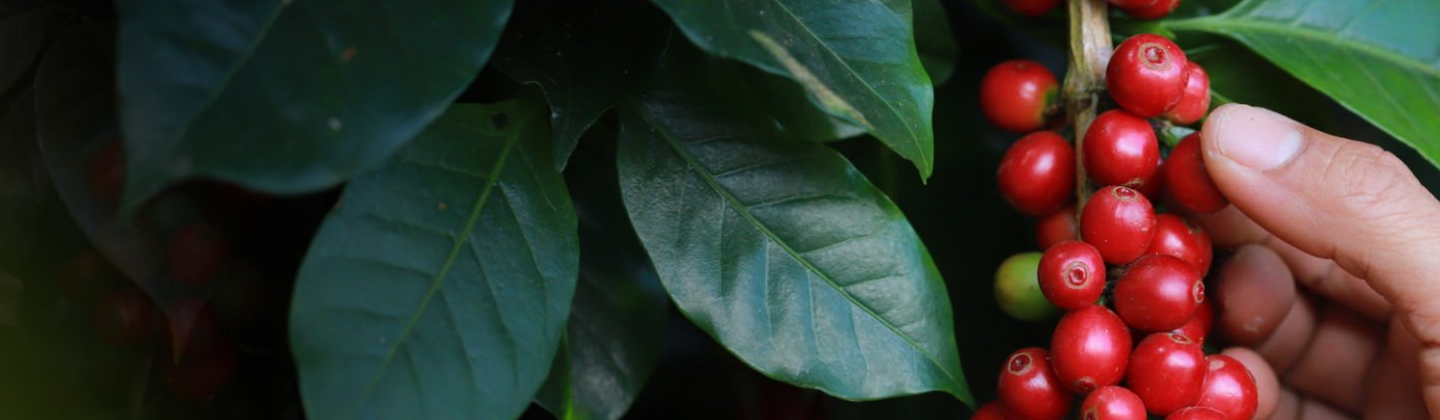
If you want to learn how to brew specialty coffee correctly, the first thing you should do is retire your coffee scoop. In the world of high-end coffee, precision is the highest form of appreciation for the craft. It is the most effective way to honor the meticulous work of the farmers at the Kaʻū coffee mill.
For anyone who considers their morning ritual a moment of culinary art, a scale removes the uncertainty and replaces it with repeatable excellence.

The Problem With Measuring by Volume
Coffee beans are an agricultural product, which means they vary in size, shape, and density. Scoops measure volume, but volume is deceptive. For example, darker roasts are physically larger and less dense, meaning a scoop of dark beans actually contains less coffee by weight than a scoop of light beans. Even rare varieties like peaberry coffee beans settle differently in a scoop because of their rounded shape.
If you rely on a scoop, you are essentially gambling with the flavor profile of your brew. A scale ensures your coffee-to-water ratio is identical every single time you head to the kitchen.
Professional Results for the Home Barista
The best way to brew coffee at home is to mirror the standards used in professional cupping labs. Using a scale allows you to:
-
Find Your Ratio: Most connoisseurs recommend a 1:16 or 1:17 ratio (1 gram of coffee for every 16 or 17 grams of water).
-
Reduce Waste: For those who buy fresh roasted coffee beans online, a scale prevents you from over-dosing and wasting your premium supply.
Why Precision Matters for Hawaiʻi-grown Beans
When you are learning how to brew single origin coffee, you are trying to taste the specific terroir of a Kaʻū coffee farm. Volcanic soil and high elevations produce beans that are notably dense. This density requires a specific amount of energy (hot water) to extract flavor correctly. If your dose is off by even two grams, you change the thermal mass of the brew, which can lead to a cup that tastes thin or overly sharp rather than sweet and syrupy.
Furthermore, a scale allows you to master the "bloom" phase. This is the 30-second window where you pour a small, precise amount of water over the grounds to release trapped gasses. For 100% Hawaiʻi-grown coffee, hitting an exact 2:1 water-to-coffee ratio during the bloom ensures the bed of grounds is perfectly saturated. This preparation prevents "channeling"—where water finds an easy path through the coffee—and guarantees that every drop of water captures the full complexity of the roast.
Consistency Across All Brewing Methods
Different brewing methods for specialty coffee require different levels of precision. A pour-over needs a precise bloom weight, while a French press needs a heavy enough dose to stand up to long immersion. A scale is the only tool that works perfectly across every piece of equipment in your kitchen. It transforms coffee from a simple morning habit into a standardized, high-quality experience that honors the specialty coffee beans being served.

Protecting Your Investment
Quality beans are an investment in your daily ritual. To get the most out of your Kaʻū coffee, pair your scale with proper storage. The best way to store coffee beans is in an airtight container in a cool, dark place to maintain the weight and chemical integrity of the oils.
Precision doesn't make coffee more difficult; it makes it better. By weighing your beans, you ensure that every cup reflects the hard work put in by the Kaʻū coffee mill and the unique spirit of Hawaiʻi.
Continue your coffee journey with us by exploring the heritage behind our award-winning beans on our About Us page, or visit our Coffee News & Blogs for more expert tips on mastering your daily brew.
You can shop our latest harvests of 100% Hawaiʻi-grown Coffee to find your next favorite roast, and if you have any questions about our specialty selections or the Kaʻū region, contact us directly, we would love to help you elevate your coffee experience.