


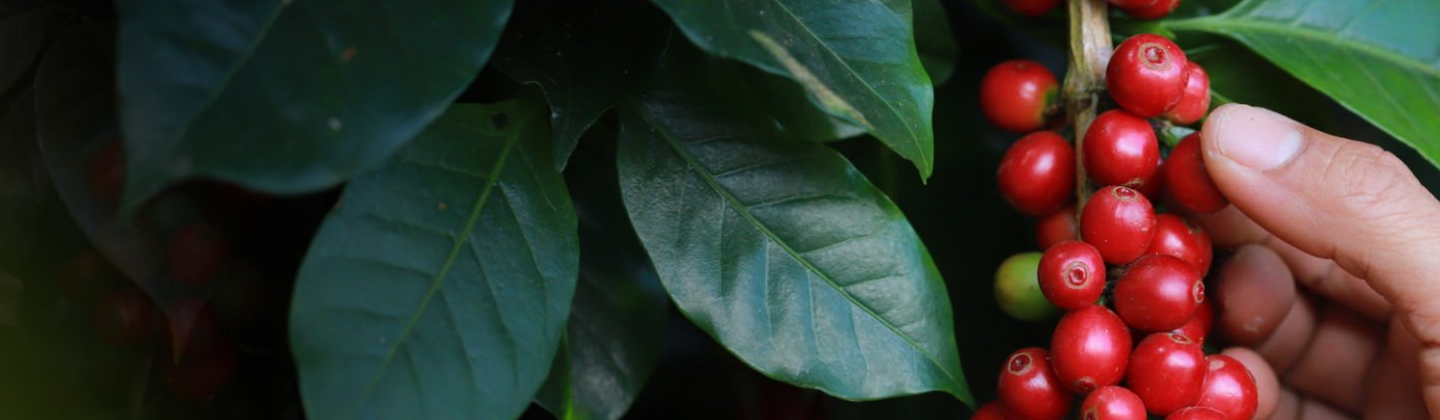
Most people think of coffee beans as simple—dark, aromatic, and ready to grind. But when you look closer, you’ll discover that every great cup begins with something far more intricate. Coffee bean layers are the hidden architecture inside every coffee cherry, and understanding them unlocks a deeper appreciation for flavor, aroma, and mouthfeel. For coffees grown in Hawai‘i, especially Kaʻū coffee, these layers play an essential role in what makes the cup so smooth and memorable.
At Kaʻū Coffee Mill, we believe education is part of aloha. Knowing how coffee grows—from the inside out—helps you taste with intention and understand why certain coffees, like Kaʻū coffee, stand apart from the rest.
What Are Coffee Bean Layers?
Before coffee becomes a roasted bean, it starts as a fruit. Inside that fruit is a carefully formed structure made up of multiple layers, each contributing to how the coffee develops flavor.

Coffee bean layers include:
- The outer skin (exocarp)
- The pulp (mesocarp)
- The mucilage
- The parchment (endocarp)
- The silver skin
- The bean itself
These layers protect the seed as it matures. When development is slow and even—as it is in Ka‘ū’s climate—sugars and acids balance naturally. This is one reason Kaʻū coffee beans are often described as smooth, sweet, and well-rounded.
For a deeper visual breakdown, our earlier article The Anatomy of a Coffee Bean explores each layer in detail.
Why Coffee Bean Layers Affect Flavor
Coffee flavor doesn’t begin in the roaster—it begins in the field. The way coffee bean layers form determines:
- How dense the bean becomes
- How evenly it roasts
- How sugars caramelize
- How acids express themselves in the cup
In regions where coffee cherries mature too quickly, layers can form unevenly, leading to sharp acidity or flat flavors. In contrast, Ka‘ū’s cooler nights and steady rainfall allow cherries to ripen gradually. This gives coffee bean layers time to develop fully, resulting in Kaʻū coffee that feels balanced from the first sip to the last.
Coffee Bean Layers and Roast Behavior

Roasting is where coffee bean layers truly reveal themselves. Beans with well-developed internal structure respond more predictably to heat, allowing roasters to highlight sweetness rather than mask imperfections.
This is why roast profiles matter. If you’re curious how different roast levels interact with bean structure, our guide Not All Hawaiʻi-Grown Coffee Is the Same: Roast Profiles You Need to Know explains how light, medium, and dark roasts bring out different qualities in Kaʻū coffee.
Because Kaʻū coffee beans are naturally dense, they tend to hold up beautifully across roast styles—another reason they’re favored by both home brewers and professionals.
How Kaʻū Coffee Develops Exceptional Bean Structure
The story of coffee bean layers is inseparable from place. Kaʻū coffee grows on the southern slopes of Mauna Loa, where volcanic soil is rich in minerals and elevation moderates temperature. These conditions slow cherry development and strengthen the internal structure of the bean.
Historically, Kaʻū was an agricultural region long before coffee gained global recognition. You can learn more about how farming traditions shaped this district in History of Coffee in Hawai‘i: Ka‘ū.
Today, Kaʻū coffee farms continue that legacy, focusing on careful harvesting and processing that protect coffee bean layers at every stage.
Peaberry Coffee and Coffee Bean Layers
One of the most fascinating examples of coffee bean layers is peaberry coffee Hawai‘i. Normally, a coffee cherry produces two flat beans. Occasionally, it produces just one rounded bean—a peaberry.
Because all nutrients concentrate into a single seed, peaberry coffee often has:
- Denser internal structure
- More uniform coffee bean layers
- A brighter, more focused flavor profile
Peaberry beans roast evenly and are prized for their clarity and sweetness. If you want to explore this rarity further, 12 Peaberry Coffee Facts: The Rare Bean dives into what makes peaberries so special.
At Kaʻū Coffee Mill, peaberry selections are among the most sought-after expressions of Kaʻū coffee.
Coffee Bean Layers and Brewing Method
Different brewing methods interact with coffee bean layers in unique ways. How you brew can highlight—or hide—the work that happened inside the cherry.
- Pour-over brewing emphasizes clarity, making coffee bean layers more noticeable through sweetness and acidity.
- French press brewing highlights body and oils, showcasing the fullness of Kaʻū coffee beans.
- Espresso compresses flavor, revealing density and internal structure under pressure.
If you’re new to brewing Kaʻū coffee at home, Smooth & Bold Hawaiian: A Beginner’s Guide to Brewing Kaʻū Coffee is a helpful place to start.
Coffee Bean Layers Through the Lens of Espresso
Espresso is one of the most demanding ways to brew coffee, and it’s where coffee bean layers truly matter. Beans with uneven structure struggle under pressure, while well-developed beans produce balanced crema and sweetness.
For a broader look at how espresso evolved—and why bean quality matters—The History of Espresso offers context that pairs beautifully with understanding coffee bean layers.
Kaʻū coffee’s natural density makes it an excellent candidate for espresso, especially when roasted with care.

From Kaʻū Coffee Farm to Kaʻū Coffee Mill
Preserving coffee bean layers doesn’t stop at harvest. At Kaʻū Coffee Mill, coffee is grown, processed, and roasted in one place, allowing quality to be protected from start to finish.
At our Kaʻū coffee farm, cherries are:
- Hand-picked at peak ripeness
- Processed quickly to avoid damaging internal layers
- Dried and milled with attention to consistency
- Roasted in small batches
If you’d like to see this process firsthand, you can take a tour at Kaʻū Coffee Mill and experience how coffee bean layers are respected every step of the way.
Why Coffee Bean Layers Matter to the Final Cup
When you understand coffee bean layers, you begin to taste coffee differently. You notice balance instead of bitterness, sweetness instead of sharpness, and texture instead of just strength.
For Kaʻū coffee, these layers explain why the cup feels complete—why flavors linger gently instead of overpowering the palate. It’s not about complexity for its own sake; it’s about harmony.
Final Sip: Tasting Coffee from the Inside Out
Coffee bean layers are the quiet foundation behind every exceptional cup. They shape how coffee grows, roasts, and brews, and they explain why some coffees feel effortless to drink.
Kaʻū coffee is a reflection of this structure—formed slowly, cared for thoughtfully, and shared with intention. Whether you’re exploring new brewing methods, learning more through our blog, or tasting directly from our coffee collection, understanding coffee bean layers brings you closer to the heart of the cup.
We invite you to continue that journey with Kaʻū Coffee Mill.