


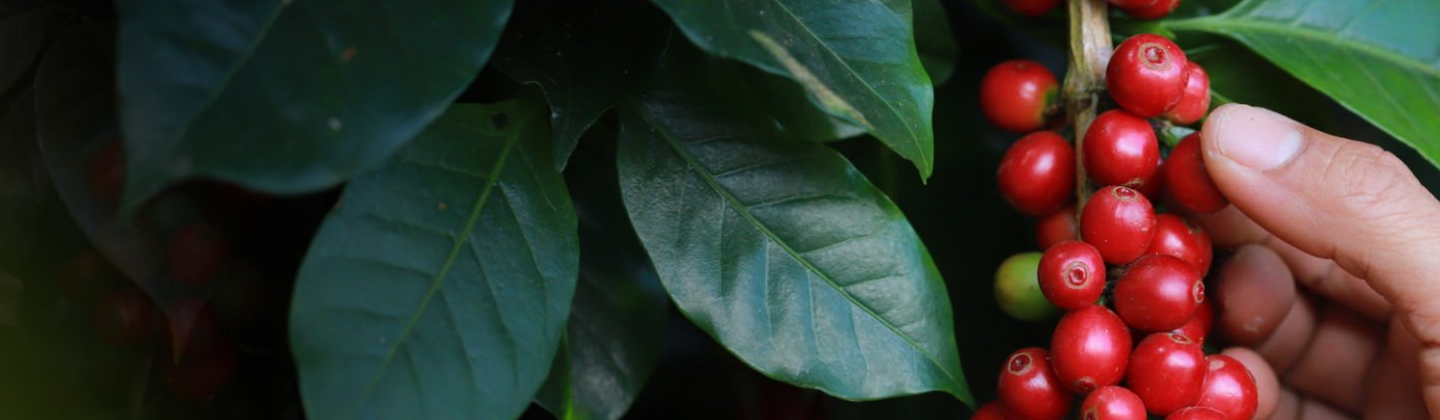
Understanding how to choose good coffee beans starts with knowing how those beans are processed. Long before coffee reaches your grinder, the method used to remove the fruit from the coffee cherry shapes flavor, texture, and aroma. Two of the most common—and most misunderstood—methods are natural and semi-washed processing. For anyone exploring Hawaiʻi-grown coffee, especially Kaʻū coffee, learning the difference can transform your morning cup.
At Kaʻū Coffee Mill, processing is never an afterthought. It’s a deliberate choice that respects the land, the bean, and the drinker.
Why Processing Matters When Choosing Coffee Beans
When people ask how to choose good coffee beans, they often focus on roast level or origin. While those matter, processing plays an equally important role. Processing determines how much of the coffee cherry’s sugars, acids, and compounds interact with the bean during drying.
Natural and semi-washed coffees start the same way—on the tree—but take very different paths once harvested. Those paths influence everything from sweetness to mouthfeel.
What Is Natural Coffee Processing?

Natural processing means the coffee cherry is dried with the fruit still intact. As the cherry dries, sugars from the pulp slowly absorb into the bean. This method tends to produce coffees that feel fuller and more expressive.
Natural coffees are often associated with:
- Deeper fruit notes
- Heavier body
- A rounder mouthfeel
At Kaʻū Coffee Mill, this approach is showcased in our Natural Dark Roast, which highlights richness while preserving balance. Many people seeking a smooth Hawaiʻi-grown coffee gravitate toward natural processing because of its depth and softness on the palate.
What Is Semi-Washed Coffee Processing?
Semi-washed coffee—sometimes called pulped natural—removes the outer skin of the cherry but leaves some of the mucilage intact during drying. This creates a bridge between natural and fully washed processing.
Semi-washed coffees typically offer:
- Cleaner structure than naturals
- Gentle sweetness
- Balanced acidity
Our Semi-Washed Medium Dark Roast reflects this harmony, making it a favorite for those who want clarity without sacrificing body. If you enjoy a medium roast Hawaiʻi-grown coffee, semi-washed processing often delivers the balance you’re looking for.
Coffee Bean Layers and Flavor Development
Processing directly affects coffee bean layers, the internal structure that influences how a bean roasts and brews. When cherries dry slowly and evenly, those layers develop with greater consistency.
To explore this more deeply, Coffee Bean Layers: Structure & Flavor explains how internal bean structure contributes to sweetness, balance, and mouthfeel. You can also see how this plays out specifically in Kaʻū through Kaʻū Coffee Bean Layers & Peaberry.
Understanding coffee bean layers is a key part of learning how to choose good coffee beans that match your taste preferences.

Natural vs Semi-Washed: Which Is Right for You?
There’s no single “better” option—only what fits your routine and palate.
Choose natural coffee if you enjoy:
- Bold flavor
- Fuller body
- A lingering finish
Choose semi-washed coffee if you prefer:
- Balance and structure
- Smoothness without heaviness
- Versatility across brewing methods
Both methods can produce excellent coffee when done with care, especially when beans are grown and processed close to home.
Brewing Considerations: French Press and Beyond
Processing also influences brewing. Natural coffees often shine as the best coffee for French press, where oils and body are fully expressed. Semi-washed coffees perform beautifully in pour-over or drip methods, offering clarity with comfort.
If you’re still learning the basics, Best Kaʻū Coffee Guide offers helpful context on selecting beans based on taste and brew style.
How Sustainability Fits into the Choice
Processing isn’t just about flavor—it’s also about responsibility. At Kaʻū Coffee Mill, natural and semi-washed methods are chosen with environmental impact in mind. Drying methods, water use, and land stewardship are part of our commitment to long-term farming.
You can learn more about this approach through our Sustainability & Farming practices, which guide every decision from harvest to roast.
What Is Kaʻū Coffee, and Why It Responds So Well to Processing
For those new to the region, what is Kaʻū coffee often comes down to place. Grown on the southern slopes of Mauna Loa, Kaʻū coffee develops slowly, giving beans time to build structure and sweetness.
This makes Kaʻū coffee especially responsive to both natural and semi-washed processing. To explore varietals grown here, Hawaiʻi-Grown Coffee Varieties: Kaʻū and Hawaiʻi-Grown Coffee Varieties Facts offer a deeper look.

Final Sip: Choosing Coffee with Confidence
Learning how to choose good coffee beans doesn’t require memorizing jargon—it starts with understanding simple decisions like processing. Natural and semi-washed coffees each bring something unique to the cup, especially when paired with Kaʻū’s growing conditions and careful roasting.
Whether you’re exploring our online shop, reading more on the Kaʻū Coffee Mill blog, or tasting coffee in person when you book a tour, the best cup is the one chosen with intention.
If you ever have questions, our contact page is always open.