


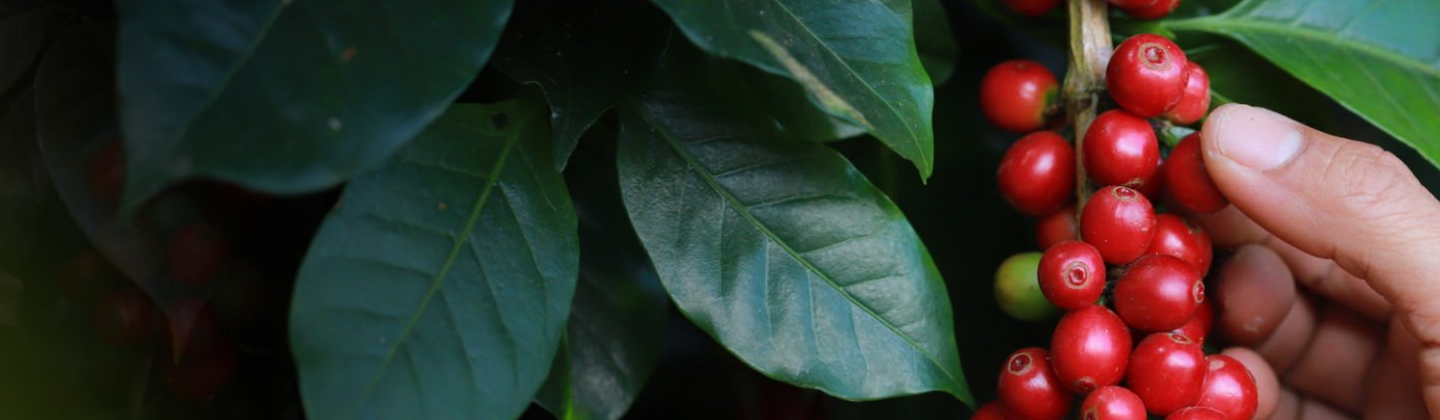
When people first discover Kaʻū coffee, it’s often because they’re already familiar with Kona. Both regions grow exceptional Hawaiʻi-grown coffee, both sit on Hawai‘i Island, and both benefit from volcanic soil and island climate. Yet Kaʻū coffee and Kona coffee are not the same—and understanding the difference reveals why Kaʻū coffee has earned its own place among the most respected coffee origins in Hawai‘i.
At Kaʻū Coffee Mill, we’re often asked how Kaʻū coffee compares to Kona. The answer isn’t about which is “better,” but about what makes each region distinct. Here are seven clear facts that explain the difference.

1. Kaʻū and Kona Are Different Districts
Although both regions are on Hawai‘i Island, Kaʻū and Kona are separate districts with different geography and climate. Kona coffee grows along the western slopes, while Kaʻū coffee is cultivated on the southern slopes of Mauna Loa.
This difference in location affects rainfall patterns, temperature, and airflow—key factors that shape how coffee develops. If you’d like to see how Kaʻū compares to other Hawaiian regions, Best Hawaiʻi-Grown Coffee Regions Ranked provides helpful context.
2. Climate Shapes Flavor
Kaʻū coffee benefits from cooler nights and more consistent rainfall than many parts of Kona. These conditions slow cherry maturation, allowing sugars to develop more fully.
The result is Kaʻū coffee that is often described as:
- Naturally sweet
- Smooth and balanced
- Layered without sharp acidity
These environmental differences help explain why Kaʻū coffee has developed a flavor profile distinct from Kona, even though both grow on volcanic soil.
3. Kaʻū Coffee Is a Rising Origin
Kona has been internationally recognized for decades. Kaʻū coffee, by contrast, rose to prominence more recently—particularly after earning top honors in major coffee competitions.
You can explore this recognition through Kaʻū Coffee Mill awards, which highlight how Kaʻū coffee gained attention for quality, not marketing. This rise has allowed Kaʻū coffee to develop with a strong focus on craftsmanship and small-scale excellence.
4. Farm-to-Mill Approach Sets Kaʻū Apart
One defining feature of Kaʻū coffee is how closely farming and processing are connected. At Kaʻū Coffee Mill, coffee is grown, processed, and roasted in one place, preserving quality and traceability.
This farm-to-mill approach ensures:
- Faster processing after harvest
- Greater consistency between batches
- Careful handling at every stage
To learn more about this philosophy, About Kaʻū Coffee Mill shares how our approach developed alongside the region itself.

5. Bean Structure and Development
Another key difference lies in how beans form. Slower cherry development in Kaʻū contributes to denser beans with well-developed internal structure. This plays a major role in how Kaʻū coffee roasts and brews.
If you’d like a deeper look at this aspect, Kaʻū Coffee Bean Layers and Peaberry explains how bean structure influences flavor and balance.
6. Variety and Expression
Both Kona and Kaʻū grow traditional Hawaiʻi-grown coffee varieties, but Kaʻū coffee often expresses these varieties differently due to climate and elevation.
You can explore how varietals show up specifically in Kaʻū through Hawaiʻi-Grown Coffee Varieties in Ka‘ū. This diversity adds depth to the Kaʻū coffee experience and helps explain why many drinkers notice a softer, more rounded cup.
7. Kaʻū Coffee Is Still a Discovery
Perhaps the biggest difference is perception. Kona is widely known; Kaʻū coffee is still being discovered. For many visitors, learning about Kaʻū coffee becomes part of a broader Big Island experience.
If you’re planning a visit, Things to Do Big Island Hawai‘i: Coffee Tours shows why Kaʻū has become a meaningful stop for those who want to go beyond the familiar.
You can also experience Kaʻū coffee firsthand by taking a tour or exploring our offerings through the online shop.

Final Sip: Two Regions, Two Stories
Kona and Kaʻū each tell their own story through coffee. Kona represents tradition and early recognition. Kaʻū coffee represents careful growth, connection to land, and a rising reputation built on quality.
Understanding these differences allows you to appreciate both regions for what they are—and to recognize why Kaʻū coffee continues to earn its place among Hawai‘i’s most respected coffees.
To continue learning, browse the Kaʻū Coffee Mill blog or reach out through our contact page. We’re always happy to talk story.